letsdeal@alkareemtraders.com | CALL Now: +966 55 086 4113 | AL MUGHAISILAH, MADINA 42315, KSA

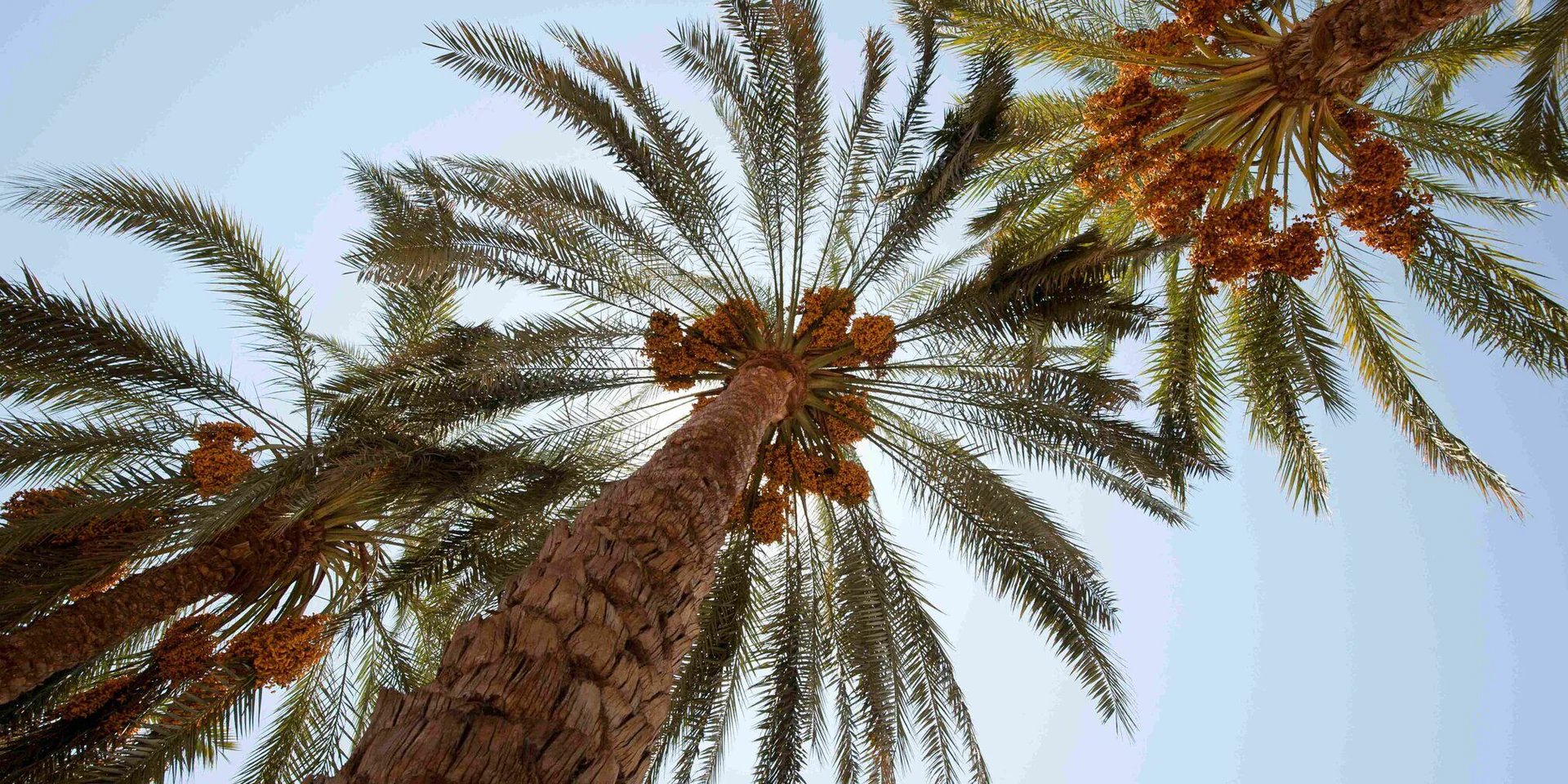
2026 Saudi Date Harvest: Complete Season Guide, Harvest Calendar, Varieties, Regions & Market Availability
The 2026 Saudi date harvest runs from late May to November. Complete guide to harvest calendar, varieties, regions, Rutab vs Tamer, and how to source wholesale Saudi dates.
10/7/202622 min read


Note: Timings are approximate. Regional and seasonal variation of ±2–4 weeks is normal.
Where Are Saudi Dates Grown?
Saudi Arabia's palm tree population reached over 37 million trees in 2025, according to the National Center for Palms and Dates. The Kingdom produces over 1.9 million tonnes of dates annually from these palms making it one of the world's top three date producers alongside Egypt and Iran.
Qassim
Al-Qassim is the Kingdom's leading date-producing region by volume, with approximately 10.7 million palm trees producing over 578,000 tonnes annually. It is the undisputed home of the Sukkari date and also a major source of Sagai, Khudri, Barni, and Rotana. The region's extreme summer heat, low humidity, and well-drained sandy soils create ideal conditions for varieties that require intense growing conditions to develop their characteristic sweetness.
Madinah
Saudi Arabia's third-largest producing region by volume, Madinah is the most significant by value and cultural prestige. Home to 29,000 palm farms producing approximately 343,000 tonnes annually, Madinah is the exclusive source of authentic Ajwa dates and an important producer of Safawi, Mabroom, Anbara, and Rotana. The Madinah central date market is one of the most active wholesale date markets in the Kingdom during the Rutab and Tamer seasons.
Al-Ahsa
Al-Ahsa in the Eastern Province is one of the oldest date-cultivating areas in the world, with a UNESCO-recognised cultural landscape. It is the primary home of the Khalas variety and produces significant quantities of Khudri and regional types. Al-Ahsa's subtropical climate near the Gulf coast creates conditions for Khalas's distinctive buttery character.
Riyadh
The Riyadh region produces approximately 453,000 tonnes annually second only to Qassim. Al-Kharj, to the south of the city, is a particularly significant agricultural sub-region. A wide range of commercial varieties are produced here, including Barni, Sukkari, Khudri, and Sagai.
AlUla
AlUla, within the Madinah administrative region but distinct in its production profile, has become increasingly prominent under Vision 2030 investment. The Royal Commission for AlUla has certified 500 farms under the Saudi Dates brand and manages over 137,000 palm trees. The annual AlUla Dates Season held September 18–26 in 2026 has become a significant commercial and tourism event featuring varieties including Barni, Medjool, Anbara, and Sifri.
Other Producing Regions
Hail, Jouf, Tabuk, Qatif, Asir, and Najran all contribute to Saudi Arabia's national date production. These regions often have distinctive local varieties and form part of the National Center's early harvest campaign coverage, with Najran markets specifically noted as seeing increased activity at the start of the 2026 season.
How the 2026 Saudi Date Season Reaches the Market
Understanding what happens between the palm and the export carton helps buyers assess quality, timing, and supply claims from Saudi date suppliers.
Farm Harvesting
Dates are harvested manually experienced workers climb or use mechanical platforms to reach date clusters and lower them carefully to avoid bruising. At Al Kareem, harvest timing is closely monitored to ensure the fruit is picked at the correct stage of maturity for its intended market: Rutab for fresh-date buyers, Tamer for export and long-shelf-life distribution. Damaged, insect-affected, or contaminated clusters are rejected in the field.
Sorting and Grading
Post-harvest grading is conducted both mechanically (for dimensions length and weight) and manually (for skin quality, colour uniformity, blemishes, and defects). Al Kareem's grading protocol, conducted in compliance with GSO 1016:2015 and GSO 2511:2016 standards issued by the GCC Standardization Organization, produces five grade categories for most varieties: Premium Special, Premium Jumbo, Premium Large, Premium Medium, Grade B, and Grade C. Variance tolerance on target length is ±5%.
Cleaning and Processing
Dates are cleaned of field debris and any surface contamination using food-safe methods. No chemical treatments or fumigation agents are used at Al Kareem's facility. Cleaning and processing follows the BRCGS Global Standard for Food Safety (Issue 9) and ISO 22000:2018 food safety management system protocols.
Packaging
Al Kareem offers one of the most comprehensive packaging portfolios among Saudi dates exporters from 100g consumer retail tray packs and 250–500g pouch packets through to 3 kg, 5 kg, 12.5 kg, and 20 kg bulk cartons. Bespoke gift boxes, private label packaging, and custom OEM configurations are available for importers launching their own date brands.
Cold Storage
All Tamer dates are maintained in cold storage before and after packing. Optimal long-term storage temperature is -7°C and below for most Tamer varieties; Rutab requires -17°C to -18°C. Dates are only removed from cold storage for packing immediately prior to dispatch. This preserves texture, moisture content, and shelf life through the export chain.
Wholesale Distribution
Saudi dates reach international wholesale buyers through two primary channels: direct farm/processor export (Al Kareem's model no middlemen between the farm and the foreign buyer) and through intermediary traders in Saudi wholesale markets, including the active Madinah wholesale date market. Direct sourcing generally provides better price transparency, traceability, and quality consistency.
Export Preparation
Al Kareem provides full export documentation with every shipment: phytosanitary certificate issued by the Ministry of Environment, Water and Agriculture (MEWA), certificate of origin, organic certifications (USDA NOP, EU Organic, JAS, Saudi Organic), halal certification, commercial invoice, packing list, and Bill of Lading. This documentation is essential for smooth import clearance across all major markets, including the EU, UK, USA, Canada, and Australia. Read more about organic Saudi dates production for full compliance guidelines.
When Are Fresh Saudi Dates Available?
Fresh Saudi dates meaning Rutab-stage fruit are available only during the harvest season, and only from specific varieties. Rutab is not a product that can be held in standard refrigerated storage and shipped months later; it requires frozen cold-chain logistics from the point of harvest to the end consumer.
In 2026, the Rutab season in Madinah started from the first quarter of June, with high temperatures driving ripening speed and the fresh season in Madinah winding down by the end of July. In Qassim, Sukkari Rutab is the headline fresh product from June through July.
For international buyers looking to source fresh Rutab dates in 2026:
Sukkari Rutab and Rotana Rutab are typically the first fresh varieties available (from June).
Ajwa Rutab follows in July from Madinah farms.
Rutab supply requires frozen infrastructure at your import destination.
Availability windows are short advance planning with your supplier is essential.
After the Rutab window closes, cold-stored Tamer from the same season becomes the primary supply form.
If you are not equipped for frozen cold-chain import, dried Tamer dates from the new 2026 harvest become available from August and provide the same variety range with far more logistical flexibility.
2026 Saudi Dates Wholesale and Market Availability
New-Season Wholesale Dates
The first new-season Saudi dates available for wholesale shipment from the 2026 harvest are early-season Tamer varieties Sagai, Sukkari, Khalas from approximately August 2026. The main commercial varieties (Ajwa, Safawi, Mabroom, Khudri, Mashruk, Medjool) become available in volume from August through September as the main Tamer harvest completes.
Cold-stored supply from the 2025 harvest remains available to bridge buyers earlier in the year. Reputable Saudi date exporters maintain year-round inventory through cold storage precisely to meet demand outside the direct harvest window.
What Determines Wholesale Availability?
Several factors affect whether a variety is available at a given time and in the quantity a buyer requires:
Harvest volume varies by year based on weather, pest pressure, and farm management.
Grade and size premium grades have limited supply relative to standard grades.
Packaging format certain pack sizes require lead time for custom runs.
Storage capacity not all exporters hold significant cold-stored stock year-round.
Season timing very early or late buyers may find limited new-season stock.
When Should International Buyers Order Saudi Dates?
The optimal procurement window depends on your objective:
For new-season Rutab dates: Contact suppliers in April–May to arrange allocation before the season; shipping must begin June–July with frozen logistics.
For new-season Tamer at best pricing: Engage suppliers from July onwards, with shipment from August–September.
For year-round supply planning: An annual supply agreement with a reliable exporter who holds cold-stored inventory is the most practical approach for importers with consistent volume requirements.
For Ramadan procurement: Saudi dates sold during Ramadan typically ship 2–3 months prior; buyers in Europe and North America should place orders by January–February of the Ramadan year.
2026 Saudi Date Production and Export Market
Saudi Arabia's date sector has seen sustained, documented growth over recent years. The following figures are sourced from official Saudi government channels:
Palm tree population: Over 37 million trees in 2025 (National Center for Palms and Dates).
Annual production: Exceeding 1.9 million tonnes in both 2024 and 2025.
Export value 2024: SAR 1.695 billion (~USD 452 million), a 15.9% increase year-on-year (National Center for Palms and Dates / General Authority for Statistics).
Export value 2025: SAR 1.938 billion (~USD 517 million), a 14.3% increase on 2024 a 59.5% total increase since 2021 (Saudi Press Agency).
Export destinations: Saudi dates reached 133 countries in 2024, 125+ countries in 2025.
Regional production breakdown: Qassim leads (~578,000 tonnes), Riyadh second (~453,000 tonnes), Madinah third (~343,000 tonnes).
Date varieties: Over 300 recognised varieties in the Kingdom.
Processing infrastructure: 137 factories dedicated to date-related products.
Saudi Arabia achieved record growth in date exports in 2025, with value reaching SAR 1.938 billion ($516.89 million), a 14.3% increase compared to 2024 and a 59.5% surge since 2021.
This trajectory reflects both increasing global demand for Saudi dates and the Kingdom's deliberate investment in date sector development under Vision 2030. The goal to position Saudi Arabia as the world's largest date exporter is being actively pursued through quality infrastructure investment, marketing programmes, and supply chain development.
Why the 2026 Saudi Date Season Matters for International Buyers
Each new harvest represents more than new stock. The 2026 season matters for several specific reasons for buyers engaged in international date procurement:
New-season quality: Tamer dates from the 2026 harvest will be at their freshest during August–November 2026. Buyers seeking the best available eating quality and maximum remaining shelf life should time their procurement to coincide with or just after the harvest.
Variety selection: The full range of Saudi varieties becomes available progressively through the season. Buyers who want specific varieties Ajwa, Sukkari Rutab, Barni from AlUla must engage with suppliers around the relevant harvest window.
Market momentum: Saudi dates are reaching more international markets every year. Buyers in markets where Saudi dates are still building consumer awareness including parts of Europe, North America, and Australia have an opportunity to establish supply relationships before category competition intensifies.
Private labelling: The 2026 season is an opportunity for importers to launch or expand private label date brands backed by new-season Saudi stock with full organic and food-safety certification.
Export documentation: Saudi Arabia's export certification suite Saudi Organic, USDA Organic, EU Organic, BRCGS, ISO 22000, GlobalGAP is increasingly comprehensive, making it easier than ever to import Saudi dates into regulated markets.
How to Buy New-Season Saudi Dates Wholesale
For buyers new to sourcing Saudi dates, or experienced importers reviewing their 2026 procurement approach, the following process applies:
Choose the Variety Identify which variety or mix of varieties meets your market's needs. Consider consumer familiarity (Medjool is globally recognised), cultural significance (Ajwa for Muslim markets), or retail differentiation (Sagai's two-tone appearance for visual interest). Each variety has different pricing, grade options, and seasonal availability.
Specify Grade and Size Saudi date suppliers offer multiple grades. For retail shelves, Premium Jumbo or Premium Large is typically required for strong visual presentation. For food manufacturing or wholesale distribution, lower grades may be more cost-effective. Always request the supplier's specific grading protocol and tolerance levels.
Determine Quantity Establish your volume requirement clearly both immediate order quantity and anticipated annual volume. Full container loads (FCL) offer better freight economics than LCL for bulk buyers. Minimum order quantities vary by supplier; Al Kareem accommodates both sample orders and FCL container supply.
Select Packaging Choose from standard retail formats (100g–1 kg tray or pouch packs), bulk cartons (3 kg, 5 kg, 12.5 kg, 20 kg), or custom packaging for private label. Lead time for custom packaging runs should be discussed with the supplier before the harvest season.
Confirm Destination Your import destination determines which certifications, labelling requirements, and phytosanitary standards apply. EU imports require EU Organic certification for organic-labelled products; US imports require USDA NOP certification. Confirm these requirements with your supplier before ordering.
Request EXW, FOB or CIF Pricing Most Saudi date exporters supply on EXW (Ex Works you arrange freight) or FOB (Free on Board supplier loads onto vessel) terms. CIF (Cost, Insurance, Freight) includes freight to your destination port. Request quotes on the basis that is most useful for your cost comparison.
Confirm Documentation Verify that your supplier can provide: phytosanitary certificate, certificate of origin, organic certifications relevant to your market, halal certificate, commercial invoice, packing list, and Bill of Lading. Al Kareem provides the complete documentation suite with every shipment.
Arrange Shipment Sea freight is standard for bulk date shipments. Air freight is used for urgent, high-value, or perishable Rutab orders. Refrigerated containers (reefer) are recommended for long transit times to preserve moisture content. Confirm cold-chain requirements with your freight forwarder based on destination transit time.
Frequently Asked Questions About the 2026 Saudi Date Harvest
When does the Saudi date harvest start in 2026?
The 2026 Saudi date harvest began in late May and early June 2026, with the National Center for Palms and Dates formally launching the early harvest season campaign in June. The first varieties to appear are Sagai, Barhi, Ruthana, and early Sukkari Rutab across regions including Qassim, Riyadh, Madinah, and Al-Ahsa.
When does the Saudi date season end?
The main harvest season runs through to October–November 2026, with late varieties and post-harvest cold-stored stock available through to the following year's harvest. The AlUla Dates Season, which ran September 18–26, 2026, represents the later part of the active harvest-season calendar.
When are Sukkari dates harvested?
Sukkari Rutab (fresh) is harvested in June–July in Al-Qassim. Sukkari Tamer (dried, export-ready) becomes available from August through September. Cold-stored Sukkari Tamer is then available year-round. Sukkari is among the varieties specifically named in the 2026 early harvest campaign.
When are Ajwa dates harvested?
Ajwa Rutab is available from Madinah farms from approximately late July. Ajwa Tamer the main export form harvests in August, with the season completing by end of August. Cold-stored Ajwa from the 2026 harvest is then available through to mid-2027.
When are fresh Saudi dates available?
Fresh Rutab-stage Saudi dates are available June–July (early varieties: Sukkari, Rotana, Khalas) and July–August (Ajwa, Safawi) from the 2026 season. Fresh dates require frozen cold-chain import infrastructure. Outside these windows, all available stock is cold-stored Tamer.
Where are most Saudi dates grown?
Al-Qassim is the largest producing region (~578,000 tonnes annually). Riyadh is second (~453,000 tonnes). Madinah is third (~343,000 tonnes) and the most prestigious for varieties including Ajwa, Safawi, and Anbara. Al-Ahsa is the primary home of Khalas.
What are the main Saudi date varieties?
Commercially, the most significant export varieties are Ajwa, Sukkari, Khalas, Safawi, Mabroom, Medjool, Khudri, Mashruk, Sagai, Barni, Anbara, and Rotana. Saudi Arabia recognises over 300 varieties in total.
What is the difference between Rutab and Tamar?
Rutab is the fresh, semi-ripe stage of the date, soft, moist (>22% moisture), intensely sweet, and perishable. It requires frozen cold-chain storage and shipping. Tamar (Tamer) is the fully ripened, naturally dehydrated stage with 10–22% moisture, a 12-month shelf life under cold storage, and standard logistics compatibility. Most internationally traded Saudi dates are Tamer.
When should wholesalers buy Saudi dates?
For new-season Tamer at optimal freshness and pricing, August–October is the ideal procurement window. For Rutab, June–July with frozen logistics. For year-round supply with predictable delivery, annual supply agreements with a cold-storage holding supplier are the most practical approach.
Can Saudi dates be exported during the harvest season?,
Yes. Saudi date exporters including Al Kareem, typically begin processing and shipping new-season Tamer from August, with the main export volume moving from August through November. Rutab can be exported year-round if stored frozen, but fresh-harvest Rutab shipments are concentrated in June–August.
2026 Saudi Date Harvest: Key Takeaways
The 2026 Saudi date harvest is underway. Saudi Arabia's markets received the first harvest of the season from late May, confirming another strong production year from a sector that has recorded consecutive export value records of SAR 1.695 billion in 2024 and SAR 1.938 billion in 2025.
The harvest runs from late May through to October–November, with early varieties (Sagai, Sukkari Rutab, Barhi) leading the season and main commercial varieties (Ajwa, Safawi, Medjool, Khudri, Mashruk) available at Tamer stage from August. Al-Qassim dominates production volume, Madinah leads on variety prestige, and AlUla is growing as a certified premium-producing destination under Vision 2030.
For international buyers, the 2026 season offers the full range of Saudi varieties from fresh Rutab for specialist markets to bulk Tamer for supermarket and wholesale supply. Key decisions around variety, grade, packaging, certification, and logistics should be made before the August peak to secure optimal pricing and allocation from the new harvest.
Al Kareem Dates supplies wholesale Saudi dates from our certified organic farms in Madinah and Saudi Arabia to importers and distributors worldwide. We offer the full range of commercially significant varieties at multiple grades, in retail and bulk packaging formats, with complete export documentation and private label capability.
To discuss 2026 season availability, request a product sample, or enquire about wholesale pricing, contact Al Kareem Dates at Letsdeal@alkareemtraders.com or visit alkareemtraders.com.
The 2026 Saudi date harvest season is now underway. Saudi Arabia's date markets began receiving the first fresh harvest of the year in late May and early June 2026, with the National Center for Palms and Dates formally launching the early harvest season campaign to support marketing, connect buyers with available varieties, and boost the sector's economic contribution.
If you are asking when the Saudi date harvest happens in 2026 the season runs broadly from late May through to the end of November, depending on region and variety. Early-season varieties like Sagai, Barhi, and Ruthana arrive first, typically from June onwards. The most commercially significant varieties Ajwa, Safawi, Mabroom, Medjool, and Khudri reach peak harvest in August and September. Late varieties extend the Tamer (fully dried) supply into October and November.
This guide covers the complete 2026 Saudi date harvest: when it happens, which regions produce which varieties, how fresh Rutab and dried Tamer dates differ, and what international buyers and importers need to know when sourcing new-season Saudi dates.
When Is the Saudi Date Harvest in 2026?
Saudi Date Harvest Season at a Glance
The Saudi date harvest does not happen in a single week or even a single month. It unfolds across a six-month window from the first early-season flush in late May to the final Tamer harvests in October and November. The precise timing depends on three factors: the region, the variety, and the prevailing temperatures in a given year.
The National Center for Palms and Dates confirmed in June 2026 that the early harvest season campaign had launched, covering eight regions: Riyadh, Al-Ahsa, Madinah, Qassim, Al-Kharj, Qatif, Hail, and Jouf. The first fresh varieties to appear in markets are predominantly Sukkari, Sagai, Ruthana, Barhi, and Khalas.
Note: Timing is approximate and varies by region, microclimate, and seasonal temperatures.
High temperatures accelerate the ripening process, so in years with intense summer heat, the Rutab phase may arrive and pass faster than usual. The Madinah central date market, which specifically tracks the Rhutab season, typically begins filling from the first quarter of June and sees the fresh season wind down by the end of July, after which the Tamer harvest takes over through the end of August.
2026 Saudi Date Harvest Calendar by Region
Saudi Arabia's date-producing landscape is not uniform. Each major region has its own dominant varieties, harvest windows, and market dynamics. Understanding which region produces what and when is essential for buyers planning new-season procurement.
Qassim Date Harvest
Al-Qassim is Saudi Arabia's single largest date-producing region by volume, contributing over 578,000 tonnes annually from approximately 10.7 million palm trees. It is the heartland of the Sukkari date and also produces significant quantities of Sagai, Barni, Khudri, and Rotana.
The Qassim harvest begins in earnest in June for early varieties and extends through September for Tamer-stage fruit. Sukkari Rutab the soft, high-moisture fresh form is the market's headline product during July, before giving way to dried Sukkari Tamer in August and September. The sheer scale of Qassim production means it is the primary source for wholesale bulk orders across most non-Madinah varieties.
Madinah Date Harvest
Madinah Al-Munawwarah is Saudi Arabia's third-largest producing region at approximately 343,000 tonnes annually, but it is the most significant in terms of premium variety and cultural value. It is the exclusive home of Ajwa dates and an important source of Safawi, Mabroom, Anbara, and Rotana.
The Madinah date market experiences what local reporting describes as a "remarkable economic boom" during the Rhutab season, which begins in the first quarter of June each year. The region's 29,000 palm farms supply varieties including Rotana, Rabbi, Heiliah, and other regionally distinctive types during this period. High temperatures in July speed up ripening, and the Rutab harvest typically concludes by the end of July. Ajwa dates enter the Tamer stage from August, with the harvest season continuing through to the end of August before farmers begin displaying dried dates in the market.
The Madinah Dates Season 2026, which ran until August 2, 2026, brought buyers and visitors to experience 28 pavilions of premium Madinah dates and date-based products, including a daily market for rare varieties. This reflects the region's growing role in date-sector tourism alongside commercial production.
Al-Ahsa Date Harvest
Al-Ahsa (Al-Hasa) in the Eastern Province is one of the oldest cultivated date regions in the world and a significant producer of Khalas, Khudri, and a range of regional specialties. The area is known for its distinctive micro-environment and is particularly associated with the Khalas variety's characteristic buttery-caramel flavour.
The Al-Ahsa harvest follows a similar broad window to other major regions early varieties from June, main Tamer harvest through August and September. The Eastern Province's proximity to Gulf markets makes it an important supply point for GCC domestic distribution.
Riyadh and Al-Kharj Date Harvest
Riyadh is the second-largest producing region with approximately 453,000 tonnes annually. Al-Kharj, south of Riyadh, is a significant agricultural hub within the region. Both areas produce a wide range of commercial varieties including Barni, Khudri, Sukkari, and Sagai.
The National Center for Palms and Dates confirmed that Riyadh is among the eight regions covered by the 2026 early harvest season initiative launched in June. Markets in Najran (adjacent to the Riyadh region's southern agricultural zones) were also noted as seeing increased activity with early harvest arrivals.
AlUla and Other Producing Regions
AlUla, in the Madinah province but distinct in its agricultural heritage, has become one of the most visible date-growing destinations in Saudi Arabia. The AlUla Dates Season 2026 ran from September 18 to 26, featuring prized local varieties including Barni, Majdool (Medjool), Halwa Hamra, Anbara, and Sifri. The Royal Commission for AlUla has certified 500 farms under the Saudi Dates brand and manages over 137,000 palm trees as part of Vision 2030's push to develop AlUla as both an agricultural and heritage destination.
Other producing regions include Hail, Jouf, Tabuk, Asir, and Qatif each with regional varieties and contributions to national supply.
Which Saudi Dates Are Harvested in 2026?
Saudi Arabia is home to over 300 recognised date varieties, though a smaller core of commercial varieties dominates export markets. Each has its own regional association, harvest window, and market positioning.
Ajwa Dates
Ajwa dates are grown exclusively in Madinah Al-Munawwarah no other region produces authentic Ajwa. They hold profound significance in Islamic tradition and command consistent premium pricing in global markets.
The 2026 Ajwa harvest follows the standard Madinah pattern: Rutab (fresh semi-ripe) Ajwa becomes available from around late July, with the main Tamer harvest completing by the end of August. Cold-stored Ajwa is then available through the following year. The harvest season was confirmed underway in 2026, with trade reports noting the first fresh Ajwa Rutub of the season becoming available from Madinah farms.
Sukkari Dates
Sukkari meaning "sugary" in Arabic is Al-Qassim's flagship variety and one of the most searched Saudi date varieties internationally. The 2026 early harvest campaign specifically identified Sukkari among the key early-season varieties available.
Sukkari Rutab is the most sought-after fresh-stage date in the Saudi market, prized for its intensely sweet flesh and characteristic syrupy tip at full Rutab maturity. Sukkari Tamer is available from August through to cold-storage supply well into the following year. Sukkari Mufattal (a semi-dried preparation specific to the variety) is a popular GCC retail format. Al Kareem supplies Premium Sukkari Dates in Tamer, Rutab, and Mufattal forms.
Khalas Dates
Khalas is one of Saudi Arabia's most widely traded varieties, with a distinctive golden amber colour and a mild, buttery caramel sweetness that makes it immediately accessible to consumers unfamiliar with dates. Produced across Al-Ahsa, Qassim, and other regions, it is among the early-season varieties identified in the 2026 harvest campaign.
Khalas is available as Tamer and Maknooz. Its relatively stable moisture content (10–13%) and good shelf life make it a practical choice for wholesale distribution across diverse markets.
Safawi Dates
Safawi is a dark, oval, soft-textured date produced in the Madinah region often described as offering similar character to Ajwa at a more accessible price point. It follows the Madinah harvest calendar, with Tamer-stage Safawi available from August onwards. Strong demand comes from Muslim-majority markets across South Asia, Southeast Asia, and the GCC.
Mabroom Dates
Mabroom is an elongated, reddish-dark brown variety grown in Saudi Arabia with a rich, deep flavour profile and moderate sweetness. It is popular across Gulf markets and is growing in international premium retail channels. Harvest at Tamer stage follows the August–September main window.
Barni Dates
Barni is a commercially important variety produced across multiple regions including Madinah, AlUla, and Qassim. It features in the 2026 AlUla Dates Season among the key varieties available at auction. Barni has a slightly drier texture and a mild, pleasant sweetness well-suited for retail shelf products with longer display requirements.
Medjool Dates
Medjool (Majdool) the most recognised premium date variety globally is produced in Saudi Arabia including in AlUla, where it was highlighted as a key 2026 season variety. Large, plump, and caramel-rich, Medjool's harvest window extends from August through October depending on the specific growing location. It is available in both Tamer and Rutab forms.
Khudri Dates
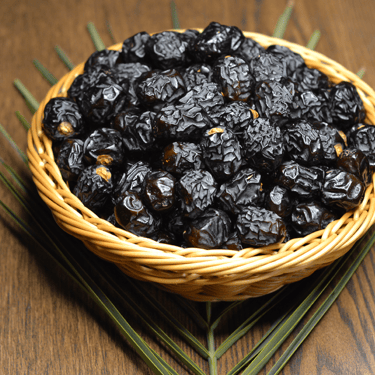
Khudri is one of Saudi Arabia's most widely exported bulk date varieties amber to dark brown in colour, chewy, and mildly sweet. Produced across Qassim and Riyadh, it has four premium grades including a Premium Special grade. The Tamer harvest window runs from August through September. Khudri dates are a consistent staple in wholesale container export orders.
Sagai Dates
Sagai is distinctive among Saudi varieties: it presents with two contrasting sections on the same fruit a reddish-brown dried base and a golden-yellowish, slightly crisp top. This characteristic appearance makes it one of the most visually recognisable Saudi dates on the market. Qassim is the primary producing region, and Sagai is among the varieties highlighted by the National Center for Palms and Dates in the 2026 early harvest season campaign, available from June. It is available as Tamer and Maknooz.
Anbara Dates
Anbara is Madinah's largest date variety deeply black, oval, and extraordinarily soft. It commands luxury pricing in regional markets and is highly sought-after for premium gift boxes. The AlUla Dates Season 2026 listed Anbara among its key auction varieties. Harvest follows the Madinah pattern, with Tamer availability from late August through September.
Mashruk Dates
Mashruk is one of Saudi Arabia's largest varieties by physical size a rectangular-cylindrical, dark brown date with a characteristic golden band near the stalk. It can achieve Saudi Dates Mark certification. Mashruk is a bold-flavoured variety with strong wholesale demand across GCC and South Asian markets. Mashruk dates become available at Tamer stage from August, with the standard export carton being 12.5 kg.
Rotana Dates
Rotana is an elongated, brown-skinned variety with a mildly sweet character and an established following in Madinah's date market. Madinah is noted for its Rotana supply during the Rhutab season, making it one of the early varieties reaching markets. Rotana has been one of Al Kareem's consistently searched varieties Rotana dates appear among the site's top organic product pages.
2026 Sukkari Date Harvest
Of all Saudi date varieties, Sukkari generates some of the strongest international search interest reflecting genuine buyer and consumer demand that has grown substantially over the past several years.
When Is Sukkari Harvested?
Sukkari is an Al-Qassim variety with a harvest window that begins with early Rutab availability from June and extends through to Tamer supply from August into September. The National Center for Palms and Dates specifically named Sukkari as one of the headline early-season varieties in the 2026 harvest launch.
Sukkari Rutab vs Mature Sukkari
Sukkari Rutab is the fresh, semi-ripe stage with moisture content above 22%. It is intensely sweet, extremely soft, and in high demand but highly perishable. Fresh Rutab requires frozen cold-chain transport and storage and is only directly available during the June–July window. Buyers without frozen import infrastructure typically source Sukkari at the Tamer stage, which provides a 12-month shelf life under cold storage at -5°C.
The taste difference between fresh Sukkari Rutab and mature Sukkari Tamer is significant. Rutab is sweeter, softer, and more immediately indulgent. Tamer is more stable, less intensely moist, but still carries the characteristic sweetness that gives this variety its name.
Sukkari Mufattal
Sukkari Mufattal is a specific preparation where dates are partially processed to achieve a semi-dried, sugar-crusted result. It is a popular retail format in GCC markets and is gaining traction internationally. It is available at Al Kareem as Fresh Sukkari Rutab Dates.
Sukkari Wholesale Availability
New-season Sukkari Tamer from the 2026 harvest becomes available for bulk wholesale from August. Cold-stored supply from the 2025 harvest may be available to bridge buyers earlier in the year. International buyers ordering in advance of the harvest window can secure allocation and pricing before the main season peak. Contact Al Kareem to discuss 2026 season Sukkari availability and bulk pricing.
2026 Ajwa Date Harvest in Madinah
When Is Ajwa Harvested?
Ajwa follows the Madinah harvest pattern. The Rhutab season in Madinah begins in the first quarter of June, with temperatures accelerating ripening through July. Fresh Ajwa Rutab is available within this window. Tamer-stage Ajwa the form traded internationally becomes available from late July through August, with the main harvest completing by the end of August. Cold-stored Ajwa from the 2026 season is then available year-round until the next harvest.
Where Is Ajwa Grown?
Ajwa is exclusively grown in Madinah Al-Munawwarah. This is not a marketing claim it is an agricultural and geographic fact. The specific soil composition, water sources, climate, and centuries of cultivation in the Madinah basin create conditions that cannot be replicated elsewhere. Dates marketed as "Ajwa" from other countries are either a different variety or a mislabelled product.
Al Kareem's Ajwa dates are sourced from our farms in Madinah and certified organic through Kiwa BCS under USDA NOP, EU Organic, JAS, and Saudi Organic standards.
Fresh Ajwa vs Stored Ajwa
Fresh Ajwa at the Rutab stage (available approximately July in Madinah) has higher moisture content and a softer, more delicate texture. Stored Tamer Ajwa, maintained at 4°C, retains its characteristic dark colour, soft texture, and mild complex sweetness for up to 12 months. Both are available from Al Kareem, with frozen cold-chain logistics required for Rutab supply.
Ajwa Wholesale Availability
Ajwa is available in bulk export cartons of 12.5 kg, with consumer retail formats from 100g to 1 kg also available. Private label and OEM packaging can be arranged for importers and retail brands. Given the limited geographic source of authentic Madinah Ajwa, advance procurement agreements are recommended for buyers requiring consistent year-round supply. Contact Al Kareem Dates to discuss wholesale Ajwa availability.
Understanding Saudi Dates: Khalal, Rutab and Tamar
One aspect of Saudi date sourcing that confuses many buyers is the variety of fruit stages available. A date is not simply "ripe" or "not ripe" it passes through distinct physiological stages, each with different moisture content, texture, flavour, and storage requirements.
What Is Khalal?
Khalal is the third stage of date ripening (the first two being Hababouk and Kimri, which precede commercial harvest). At Khalal, the fruit has developed its full size and begun to colour yellow, red, or brown depending on variety but remains firm and astringent. Some varieties, notably Barhi, are consumed and sold at the Khalal stage for their crunchy texture and mild sweetness. Khalal is not typically exported in significant volumes as its shelf life is short.
What Is Rutab?
Rutab is the fourth stage, where the date begins to soften from the tip, moisture content rises above 22%, and the sugar concentration intensifies. This is the "fresh date" stage what you see in Ramadan market displays in Madinah or Riyadh, what is traditionally used to break the fast, and what Sukkari fans travel to Qassim for in July. Rutab is perishable: it must be kept cold, transported quickly, and consumed within a limited window. For international export, Rutab requires frozen cold-chain infrastructure.
What Is Tamar?
Tamar (also spelled Tamer) is the fully ripened, naturally dehydrated stage where the date's moisture content drops significantly typically to 10–22% depending on variety. This is the form in which the vast majority of Saudi dates are traded internationally. Tamar dates have a shelf life of up to 12 months under proper cold storage conditions, making them suitable for standard import logistics. When people refer to "dried dates," they generally mean Tamar though the best Tamar dates are not dry in texture, merely stable in moisture.
How Harvest Stage Affects Taste, Texture and Storage
Saudi Date Harvest Calendar by Variety 2026
The table below summarises approximate harvest windows for major commercially available Saudi date varieties. All timings are approximate and subject to variation by season, microclimate, and farm-level conditions.


Madina KSA Office
Address:
Phone
©1991- 2026. All rights reserved by Al Kareem Dates.

Address Factory:
Al Mughaisilah, Al Madinah 42315, KSA
St#19, Madinah 42524, Kingdom of Saudi Arabia